Natural knowledge. Everyday wellness. For everyone.
Explore herbs, research, practical wellness habits, and safety guidance in a welcoming space inspired by nature.
Explore 59 herbal profiles ↗Explore Wellness, Rooted in Nature

What would you like to explore?
Know the plant. Understand the evidence.
Explore 59 profiles of herbs and natural products, including black seed oil and moringa. Open each entry for its definition, source material or constituents, studied uses, limitations, and key risks. Colloidal silver is included as a safety warning. Most profiles link to NIH fact sheets; others link to published research.
Illustrations are decorative and labeled by topic; they are not photographs for plant identification. Never identify or consume a plant based on these images.
 Reference photographAcaiDefinition · research · safety ↓
What it is & what it contains
A palm fruit, commonly used as pulp, juice, or powder; it contains plant pigments called anthocyanins.
Studied uses & limits
Human research does not establish a disease treatment or weight-loss benefit.
Risks & precautions
Check blended products for added ingredients; supplement safety data are limited.
 Reference photographAloe VeraDefinition · research · safety ↓
What it is & what it contains
A succulent with inner-leaf gel and an outer-leaf latex; these are different preparations.
Studied uses & limits
Small studies suggest topical gel may help some burns and psoriasis symptoms; it is not a psoriasis cure.
Risks & precautions
Oral latex can cause diarrhea and cramps; some oral products have been associated with liver injury. Topical gel may irritate skin.
 Reference photographAshwagandhaDefinition · research · safety ↓
What it is & what it contains
A shrub whose roots and leaves contain withanolides; supplements use root, leaf, or mixed extracts.
Studied uses & limits
Some preparations may help stress and insomnia; evidence for anxiety and other illnesses is uncertain.
Risks & precautions
Avoid in pregnancy and breastfeeding; liver injury and thyroid or medicine interactions are concerns.
 Reference photographAsian GinsengDefinition · research · safety ↓
What it is & what it contains
Panax ginseng root, containing ginsenosides; extracts, teas, and capsules differ.
Studied uses & limits
Studies of fatigue, cognition, and blood sugar have mixed results; it is not a diabetes cure.
Risks & precautions
Insomnia and blood-sugar effects are concerns; review medication interactions and pregnancy precautions.
 Reference photographAstragalusDefinition · research · safety ↓
What it is & what it contains
A plant used mainly for its root, prepared as extracts, teas, or capsules.
Studied uses & limits
Research is insufficient to establish benefit for a specific health condition.
Risks & precautions
May affect immune activity; discuss use with a clinician if taking immunosuppressants.
 Reference photographBilberryDefinition · research · safety ↓
What it is & what it contains
A berry related to blueberries; fruit extracts contain anthocyanins.
Studied uses & limits
Evidence is insufficient for vision improvement or treatment of medical conditions.
Risks & precautions
Food and concentrated extracts differ; long-term high-dose safety is not established.
 Reference photographBitter OrangeDefinition · research · safety ↓
What it is & what it contains
Citrus aurantium fruit or peel; weight-loss extracts may contain the stimulant synephrine.
Studied uses & limits
Reliable evidence for weight loss is lacking.
Risks & precautions
Serious heart-related events have been reported with combination supplements; blood-pressure effects are a concern.
 Reference photographBlack CohoshDefinition · research · safety ↓
What it is & what it contains
A flowering plant used for its roots and underground stems in supplements.
Studied uses & limits
Certain extracts may help menopausal symptoms; results vary by preparation.
Risks & precautions
Rare serious liver injury has been reported; pregnancy and hormone-sensitive conditions require clinician review.
 Reference photographBlack Seed OilDefinition · research · safety ↓
What it is & what it contains
Oil extracted from Nigella sativa seeds, also called black cumin. It contains fatty acids and constituents such as thymoquinone; amounts vary by extraction and product. Seed powder, oil, and isolated compounds are different preparations.
Studied uses & limits
Studies have examined blood glucose, blood pressure, lipids, and inflammatory conditions. An overview of research reviews found that much of the evidence was low or very low quality. Possible changes in measurements do not establish a cure or reliable benefit for every product.
Risks & precautions
Digestive upset and topical allergic dermatitis have been reported. Long-term safety remains uncertain. Discuss use with a pharmacist, particularly if taking blood-pressure or glucose-lowering medicines. Do not replace prescribed treatment.
 Reference photographBoswelliaDefinition · research · safety ↓
What it is & what it contains
A tree resin, also called Indian frankincense, containing boswellic acids.
Studied uses & limits
Small studies suggest possible osteoarthritis symptom benefit, but stronger research is needed.
Risks & precautions
Supplement safety evidence is limited; review medicines and pregnancy precautions.
 Reference photographBromelainDefinition · research · safety ↓Image shows the source plant or ingredient, not the finished extract or oil.
What it is & what it contains
A mixture of protein-digesting enzymes obtained from pineapple stem or fruit.
Studied uses & limits
Research has examined swelling and sinus symptoms; evidence for many advertised uses remains limited.
Risks & precautions
May cause digestive upset or allergic reactions; discuss medication interactions.
 Reference photographButterburDefinition · research · safety ↓
What it is & what it contains
A plant used in extracts of its roots or leaves; untreated material contains pyrrolizidine alkaloids.
Studied uses & limits
Some preparations have been studied for migraine prevention.
Risks & precautions
Toxic alkaloids can damage the liver; even products labeled PA-free raise safety concerns. This is a caution entry.
 Reference photographCat’s ClawDefinition · research · safety ↓
What it is & what it contains
A tropical climbing vine whose bark or root is used for extracts or tea.
Studied uses & limits
There is not conclusive evidence for treating a health condition.
Risks & precautions
May affect immune activity and interact with medicines; avoid during pregnancy.
 Reference photographChamomileDefinition · research · safety ↓
What it is & what it contains
A flowering herb; German and Roman chamomile differ. Flowers are used in tea and extracts.
Studied uses & limits
Research on anxiety and sleep is limited; benefits are not firmly established.
Risks & precautions
Allergies are possible, especially with sensitivity to related flowers; medication interactions can occur.
 Reference photographChasteberryDefinition · research · safety ↓
What it is & what it contains
Fruit of the chaste tree, typically sold as extracts or capsules.
Studied uses & limits
Some research suggests relief of premenstrual symptoms, with study limitations.
Risks & precautions
Hormone-sensitive conditions and hormone-related medicines need review; avoid pregnancy and breastfeeding.
 Reference photographCinnamonDefinition · research · safety ↓
What it is & what it contains
Bark of cinnamon trees; cassia and Ceylon cinnamon differ in their coumarin content.
Studied uses & limits
Evidence does not clearly support cinnamon supplements for diabetes or another condition.
Risks & precautions
Cassia coumarin may pose liver risks with prolonged high intake; culinary amounts and supplements differ.
 Reference photographColloidal SilverDefinition · research · safety ↓
What it is & what it contains
Tiny particles of silver suspended in liquid, usually water. It is a mineral preparation, not an herb, and silver is not an essential nutrient. Product concentrations and compositions differ.
Studied uses & limits
There is no established health benefit from taking silver by mouth. FDA warns that colloidal silver is not safe or effective for treating disease. Medical silver dressings are distinct products and do not justify drinking colloidal silver.
Risks & precautions
Do not swallow colloidal silver or use it as a home treatment. It can cause usually permanent blue-gray skin discoloration (argyria), interfere with antibiotics and thyroid medicine absorption, and may harm the kidneys, liver, or nervous system.
 Reference photographCranberryDefinition · research · safety ↓
What it is & what it contains
A tart berry used as fruit, juice, or extracts containing proanthocyanidins.
Studied uses & limits
May reduce recurring urinary infections in some groups; it does not treat an active infection.
Risks & precautions
Large amounts may upset the stomach; discuss possible warfarin interactions and seek care for infection symptoms.
 Reference photographDandelionDefinition · research · safety ↓
What it is & what it contains
A plant whose leaves, roots, and flowers are used as foods, teas, or supplements.
Studied uses & limits
Clinical evidence is insufficient to establish benefit for health conditions.
Risks & precautions
Allergic reactions and possible medication interactions are concerns; concentrated products differ from food.
 Reference photographEchinaceaDefinition · research · safety ↓
What it is & what it contains
Several flowering plant species; supplements use varying roots and above-ground parts.
Studied uses & limits
May slightly reduce the chance of a cold; effects on duration are uncertain.
Risks & precautions
Can cause allergic reactions, sometimes severe, and digestive symptoms.
 Reference photographElderberryDefinition · research · safety ↓
What it is & what it contains
A shrub with berries used in cooked foods and extracts; raw plant parts differ.
Studied uses & limits
Small studies examine cold or flu symptoms; evidence is insufficient for firm conclusions.
Risks & precautions
Raw or unripe berries, leaves, and stems may contain cyanide-producing substances. Do not use as a substitute for infection care.
 Reference photographEphedraDefinition · research · safety ↓
What it is & what it contains
A shrub containing stimulant ephedrine alkaloids, formerly used in weight-loss supplements.
Studied uses & limits
Weight-loss effects do not make this a safe remedy.
Risks & precautions
Ephedrine-alkaloid supplements are banned in the United States because of serious cardiovascular and other risks. Avoid.
 Reference photographEuropean MistletoeDefinition · research · safety ↓
What it is & what it contains
A parasitic plant; specialized extracts differ from raw leaves and berries.
Studied uses & limits
Cancer-related studies have substantial limitations; it is not an established cancer cure.
Risks & precautions
Raw plant material can be poisonous; injected preparations require medical supervision and can cause serious reactions.
 Reference photographEvening Primrose OilDefinition · research · safety ↓Image shows the source plant or ingredient, not the finished extract or oil.
What it is & what it contains
Oil pressed from evening primrose seeds, containing gamma-linolenic acid, an omega-6 fat.
Studied uses & limits
Evidence does not establish benefit for eczema or most other promoted uses.
Risks & precautions
May cause stomach upset or headache; medication and pregnancy questions need review.
 Reference photographFenugreekDefinition · research · safety ↓
What it is & what it contains
A plant whose seeds contain fiber and other plant compounds; used in food and supplements.
Studied uses & limits
Research into blood sugar and milk production is limited and inconsistent.
Risks & precautions
May lower blood sugar or cause allergies; amounts above food use are unsafe during pregnancy.
 Reference photographFeverfewDefinition · research · safety ↓
What it is & what it contains
A flowering plant used mainly for its leaves, containing compounds such as parthenolide.
Studied uses & limits
Migraine-prevention studies show inconsistent results.
Risks & precautions
May cause mouth irritation and digestive symptoms; avoid pregnancy and review bleeding-risk medicines.
 Reference photographFlaxseed and Flaxseed OilDefinition · research · safety ↓
What it is & what it contains
Flax seeds provide fiber, lignans, and alpha-linolenic acid; the oil does not supply the same fiber.
Studied uses & limits
Whole flaxseed may help some cholesterol measures; effects vary by preparation.
Risks & precautions
Unripe seeds should not be eaten; digestive upset and medicine interactions are possible.
 Reference photographGarcinia CambogiaDefinition · research · safety ↓
What it is & what it contains
A tropical fruit; rind extracts contain hydroxycitric acid.
Studied uses & limits
Evidence does not show a meaningful established weight-loss benefit.
Risks & precautions
Liver damage has been reported, sometimes severe; avoid assuming a natural weight-loss supplement is safe.
 Reference photographGarlicDefinition · research · safety ↓
What it is & what it contains
An edible bulb; preparations contain different sulfur compounds and are not interchangeable.
Studied uses & limits
Supplements may modestly affect cholesterol or blood pressure; they do not replace treatment.
Risks & precautions
Can increase bleeding risk and cause digestive upset; raw topical garlic can burn skin.
 Reference photographGingerDefinition · research · safety ↓
What it is & what it contains
An underground stem used as food, tea, or extract; it contains gingerols and related compounds.
Studied uses & limits
May help pregnancy-related nausea; findings for other types of nausea and pain vary.
Risks & precautions
Can cause reflux and digestive upset; review medicines and pregnancy supplement use with a clinician.
 Reference photographGinkgoDefinition · research · safety ↓
What it is & what it contains
Leaf extracts of Ginkgo biloba contain flavonoids and terpene compounds; seeds differ.
Studied uses & limits
Does not prevent dementia; evidence for many memory claims is inconsistent.
Risks & precautions
May increase bleeding risk; raw seeds are toxic and some preparations may pose seizure risks.
 Reference photographGoldensealDefinition · research · safety ↓
What it is & what it contains
A plant used for its root and underground stem, containing berberine and related alkaloids.
Studied uses & limits
Research does not support the broad infection and other treatment claims made for it.
Risks & precautions
Can alter drug processing; avoid in pregnancy, breastfeeding, and infants.
 Reference photographGrape Seed ExtractDefinition · research · safety ↓Image shows the source plant or ingredient, not the finished extract or oil.
What it is & what it contains
An extract of grape seeds containing proanthocyanidins and other polyphenols.
Studied uses & limits
Blood-pressure findings are preliminary; broad disease-treatment claims are unproven.
Risks & precautions
Review medicines and bleeding concerns; pregnancy safety information is limited.
 Reference photographGreen TeaDefinition · research · safety ↓
What it is & what it contains
Camellia sinensis leaves; tea and concentrated extracts contain catechins, often with caffeine.
Studied uses & limits
Possible small effects on some cardiovascular measures do not establish a cure or reliable weight loss.
Risks & precautions
Concentrated extracts have caused liver injury; caffeine and drug interactions matter.
 Reference photographHawthornDefinition · research · safety ↓
What it is & what it contains
A shrub whose berries, leaves, and flowers are used in extracts and teas.
Studied uses & limits
Evidence for most conditions is insufficient or conflicting; heart failure requires medical care.
Risks & precautions
Can interact with heart medicines; do not self-treat chest pain or heart failure.
 Reference photographHoodiaDefinition · research · safety ↓
What it is & what it contains
A southern African succulent sold in appetite-suppression extracts.
Studied uses & limits
Reliable weight-loss benefit has not been established.
Risks & precautions
Study participants experienced adverse effects; long-term safety and product identity are concerns.
 Reference photographHorse ChestnutDefinition · research · safety ↓
What it is & what it contains
A tree; standardized seed extracts differ from raw seeds and contain aescin.
Studied uses & limits
Some short-term evidence suggests benefit for chronic venous insufficiency symptoms.
Risks & precautions
Raw seeds, leaves, bark, and flowers are unsafe; only particular processed extracts have been studied.
 Reference photographKavaDefinition · research · safety ↓
What it is & what it contains
A Pacific plant used for its root in drinks or extracts; compounds include kavalactones.
Studied uses & limits
May reduce anxiety in some settings, but safety concerns limit use.
Risks & precautions
Associated with severe liver injury; combining it with alcohol or sedatives increases concerns.
 Reference photographLavenderDefinition · research · safety ↓
What it is & what it contains
An aromatic plant used as flowers, essential oil, or specific oral preparations.
Studied uses & limits
Some specific oral products may help anxiety; studies vary, and aromatherapy evidence is uncertain.
Risks & precautions
Essential oils and studied oral products are different; irritation and sedation or drug interactions may occur.
 Reference photographLicorice RootDefinition · research · safety ↓
What it is & what it contains
A plant root; many preparations contain glycyrrhizin, while DGL products remove much of it.
Studied uses & limits
Evidence is insufficient for many digestive and other promoted uses.
Risks & precautions
Glycyrrhizin can raise blood pressure, lower potassium, and cause serious heart problems; especially concerning with heart or kidney disease.
 Reference photographMilk ThistleDefinition · research · safety ↓
What it is & what it contains
A flowering plant; seed extracts contain a mixture called silymarin.
Studied uses & limits
Liver-disease research is conflicting or limited; it is not an established liver treatment.
Risks & precautions
Can cause digestive upset and allergy; product quality and interactions need review.
 Reference photographMoringaDefinition · research · safety ↓
What it is & what it contains
Moringa oleifera is a tree used as food and in traditional medicine. Products may contain leaves, leaf powder, seeds, or other plant parts. Leaves contain nutrients and plant compounds including flavonoids and glucosinolates; nutrient amounts vary.
Studied uses & limits
Human studies have explored nutrition and blood-sugar or other metabolic measures, with mixed findings. Much of the broader research is laboratory or animal research. That does not establish a cure for diabetes, skin disease, or internal organ disease.
Risks & precautions
Leaf food use does not establish safety of concentrated extracts, roots, or bark. Human safety data are limited; digestive symptoms and rare allergic reactions have been reported. Review medicines and pregnancy or breastfeeding questions with a clinician.
 Reference photographMugwortDefinition · research · safety ↓
What it is & what it contains
An aromatic plant used in traditional preparations and in moxibustion; these uses differ.
Studied uses & limits
Evidence is insufficient for most health claims.
Risks & precautions
Allergy is possible; avoid in pregnancy. Moxibustion carries burn and smoke-exposure risks.
 Reference photographNoniDefinition · research · safety ↓
What it is & what it contains
A tropical plant; fruit juice is common, while leaves and roots are different products.
Studied uses & limits
Human evidence does not establish treatment benefit.
Risks & precautions
Contains potassium, relevant to kidney disease; liver injury has been reported and medicine interactions are possible.
 Reference photographPassionflowerDefinition · research · safety ↓
What it is & what it contains
A climbing vine whose above-ground parts are used for tea or extracts.
Studied uses & limits
Small studies suggest possible anxiety or sleep effects; firm evidence is lacking.
Risks & precautions
May cause drowsiness or dizziness; avoid pregnancy and review sedatives and upcoming surgery.
 Reference photographPeppermint OilDefinition · research · safety ↓
What it is & what it contains
Essential oil distilled from peppermint, containing menthol and other volatile compounds.
Studied uses & limits
Enteric-coated capsules may improve irritable bowel syndrome symptoms in the short term.
Risks & precautions
May worsen reflux; do not apply near the faces of infants or young children. Essential oil is not interchangeable with tea.
 Reference photographPomegranateDefinition · research · safety ↓
What it is & what it contains
A fruit used as juice or extracts; peel, root, and bark are different preparations.
Studied uses & limits
Some studies examine blood pressure and glucose, but treatment benefit is not established.
Risks & precautions
Root, stem, and peel can be harmful in large amounts; juice or extracts may cause digestive symptoms or interact with medicines.
 Reference photographRed CloverDefinition · research · safety ↓
What it is & what it contains
A flowering plant; extracts contain isoflavones with estrogen-like activity.
Studied uses & limits
Menopause and bone-health studies do not show consistent benefit.
Risks & precautions
Hormone-related effects and pregnancy precautions matter; review hormone-sensitive conditions with a clinician.
 Reference photographRhodiolaDefinition · research · safety ↓
What it is & what it contains
A plant whose root is used in extracts, commonly Rhodiola rosea.
Studied uses & limits
Reliable evidence is insufficient for fatigue, stress, or other conditions.
Risks & precautions
May cause insomnia, dizziness, or headache; medication interactions are possible.
 Reference photographSageDefinition · research · safety ↓
What it is & what it contains
Several Salvia species used as leaves, tea, or extracts; some contain thujone.
Studied uses & limits
Small studies explore memory and other uses, but evidence is limited.
Risks & precautions
High thujone exposure can be toxic; essential oils and food amounts differ, and pregnancy precautions matter.
 Reference photographSaw PalmettoDefinition · research · safety ↓
What it is & what it contains
A small palm; extracts are made from its berries and contain fatty substances.
Studied uses & limits
Higher-quality studies do not show benefit for urinary symptoms due to an enlarged prostate.
Risks & precautions
May cause digestive symptoms; urinary symptoms need evaluation rather than assumed prostate self-treatment.
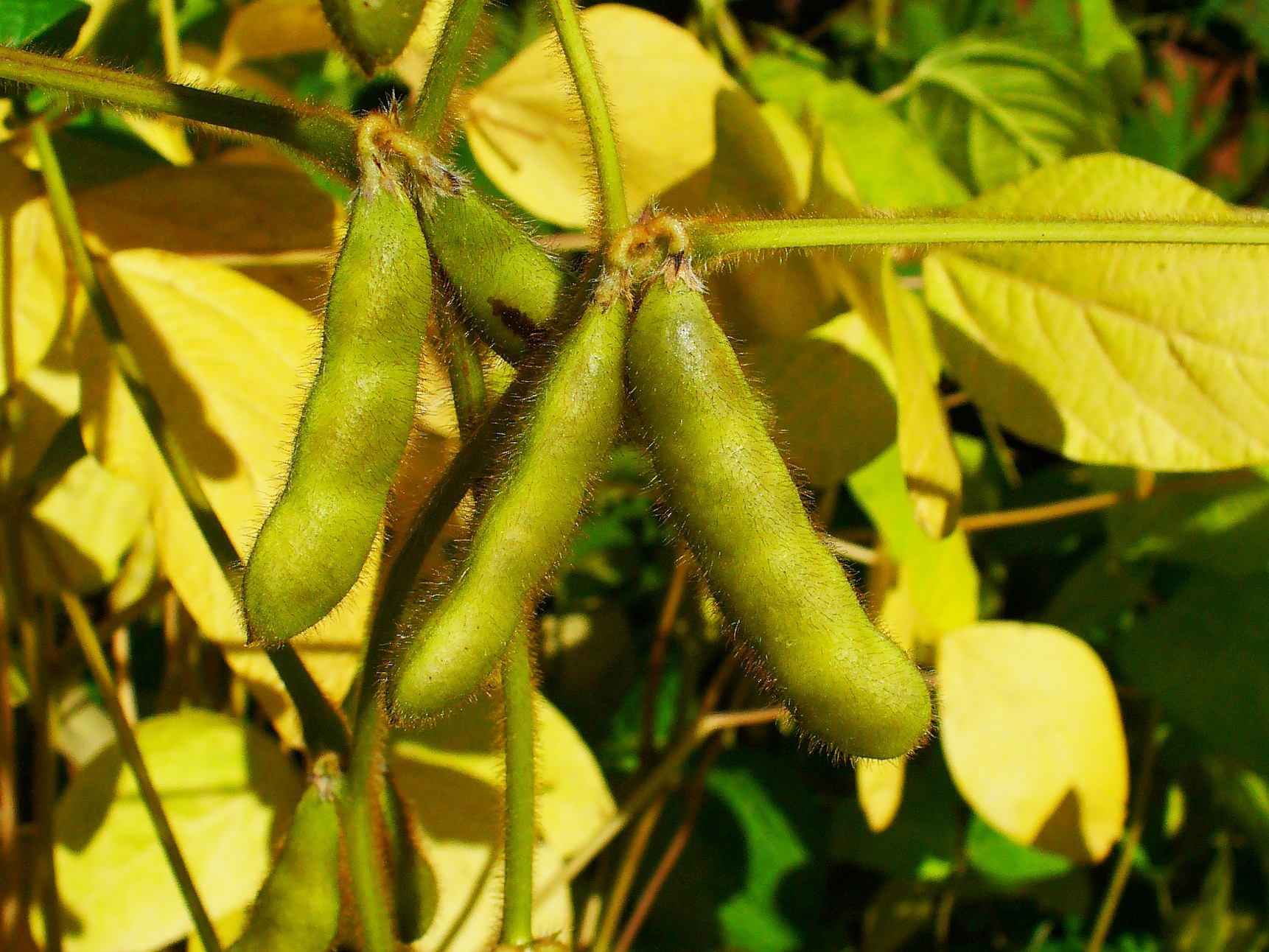 Reference photographSoyDefinition · research · safety ↓
What it is & what it contains
A legume providing protein and isoflavones; foods and isolated supplements differ.
Studied uses & limits
May modestly lower cholesterol or menopausal hot flashes; effects are limited.
Risks & precautions
Soy allergy and interactions, including with thyroid medicine timing, require consideration.
 Reference photographSt. John’s WortDefinition · research · safety ↓
What it is & what it contains
A flowering herb used as extracts, containing hypericin and hyperforin.
Studied uses & limits
Some evidence supports certain preparations for mild or moderate depression; severe depression needs professional care.
Risks & precautions
Has many serious interactions, including antidepressants and birth control; can cause serotonin toxicity and sun sensitivity.
 Reference photographTea Tree OilDefinition · research · safety ↓
What it is & what it contains
Essential oil from tea tree leaves, containing terpinen-4-ol and related compounds.
Studied uses & limits
Limited evidence suggests some topical acne or athlete’s-foot benefit.
Risks & precautions
Poisonous if swallowed; can irritate skin or cause allergy. Keep away from children and pets.
 Reference photographThunder God VineDefinition · research · safety ↓
What it is & what it contains
A plant whose root extracts contain potent compounds including triptolide.
Studied uses & limits
Some studies examine rheumatoid arthritis, but safety concerns are substantial.
Risks & precautions
Can cause serious organ and reproductive toxicity; pregnancy use is unsafe. Not a home-remedy recommendation.
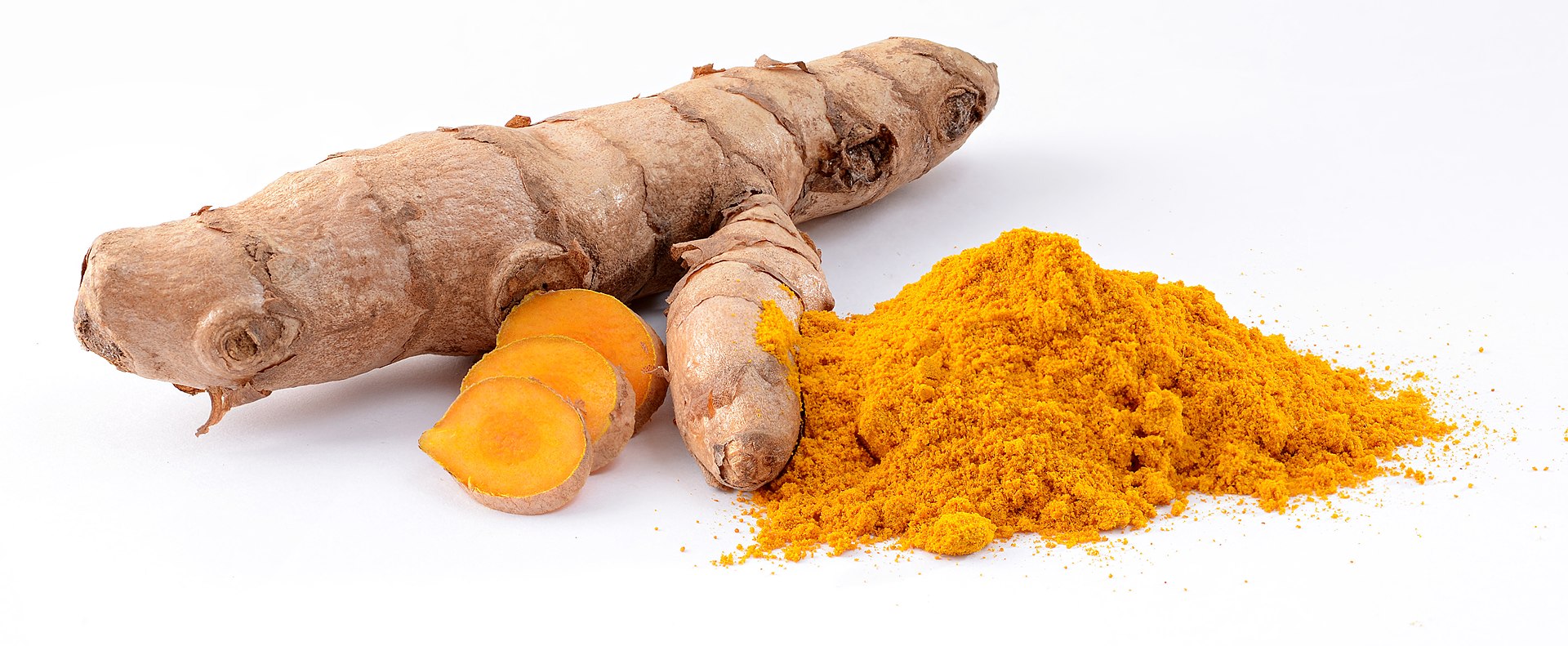 Reference photographTurmericDefinition · research · safety ↓
What it is & what it contains
A plant whose underground stem is a spice; extracts contain curcuminoids, including curcumin.
Studied uses & limits
Initial osteoarthritis findings are promising, but evidence does not establish broad treatment benefit.
Risks & precautions
Enhanced-absorption products have been linked to liver injury; digestive effects and pregnancy supplement precautions matter.
 Reference photographValerianDefinition · research · safety ↓
What it is & what it contains
A plant whose roots and underground stems are used in teas and extracts.
Studied uses & limits
Sleep evidence is inconsistent; benefits for other conditions are not established.
Risks & precautions
May cause sedation; avoid combining with alcohol or sedatives. Long-term and pregnancy safety are uncertain.
 Reference photographWhite Mulberry LeafDefinition · research · safety ↓
What it is & what it contains
Leaves of the white mulberry tree, sold as tea or extracts; leaf products differ from fruit.
Studied uses & limits
Small studies explore blood-sugar responses, but treatment benefit remains uncertain.
Risks & precautions
May cause digestive effects and low blood sugar, especially with diabetes medicines.
 Reference photographYohimbeDefinition · research · safety ↓
What it is & what it contains
Bark of an African tree containing yohimbine; supplement levels vary widely.
Studied uses & limits
Evidence is insufficient for supplement claims such as sexual performance or weight loss.
Risks & precautions
Can cause dangerous blood-pressure changes, heart problems, anxiety, and seizures. This is a caution entry.
How to use these references safely
Open a fact sheet and read both the evidence and safety sections before considering a product. Ask your clinician or pharmacist about your medicines, health conditions, pregnancy or breastfeeding, and age. Essential oils, foods, teas, extracts, and capsules are not interchangeable.
Keep prescribed care in place. This directory does not supply doses, diagnose symptoms, or confirm that any herb is safe for you. Some listed herbs have serious safety concerns.
Profiles reviewed October 9, 2026. These are introductory summaries, not exhaustive ingredient lists or safety evaluations. A plant name does not specify a commercial product’s full formula. Check the actual label and source. External sources can change; this website needs separate updates. No affiliation or endorsement is implied.
Dr. Sebi: advice in context.
Dr. Sebi’s Cell Food describes a philosophy centered on plant foods, wildcrafted herbs, and mineral-focused preparations. Its advice and commercial claims are presented as that organization’s perspective, not as clinical proof that a product cures disease.
“It is the food that you eat that would reconnect you with the energies of life”
Excerpt attributed to Dr. Sebi by Dr. Sebi’s Cell Food on its Our Commitment page ↗. The original recording and context have not been independently verified here.
This quotation is about food generally. We have not verified an original Dr. Sebi recommendation or quotation for each herb in this directory, including black seed oil, moringa, and colloidal silver. We will not attach his name to product advice without an identifiable source.
Rooted in nature. Open to everyone.
Explore botanical traditions and everyday wellness with curiosity, community and evidence-based care.
Make room for small, steady habits.
01 / Move gently
Choose activity that fits your abilities. Seated movement or a short walk can be a starting point when your care team says it is safe.
02 / Give your mind variety
Read, learn something new, enjoy music, or connect with someone. Think of these as engagement, without a promise to prevent memory loss.
03 / Build your care plan
Bring questions to your clinician: What habits fit my condition? Which supplements interact with my medicines? What symptoms need help?
Clear guidance. Honest limits.
Eternal Lyfe’s Natural & Organic Remedies is an information resource for people exploring supportive natural approaches and everyday health. Each guide links to the source behind it and explains what needs caution. We do not diagnose conditions or promise cures.
Sources include NIH institutes, the American Academy of Dermatology, and the VA National Center for PTSD. These organizations are sources, not sponsors or partners. Content reviewed October 9, 2026.
Contact: eternalyfefoundation.inc@gmail.com
When to get urgent help
Call 911 for severe trouble breathing, new severe chest pain, blue or gray lips, or sudden confusion with stroke symptoms. In the U.S., call or text 988 for a mental health crisis; call 911 for immediate danger.